
For Christmas with Hot Apple Cider, Vilma Blenman wrote a poem titled "Dialogue Between Shepherds," in which two shepherds debate whether or not they actually saw angels and what to do with their sheep.
Now she reflects on the role of sheep.
When my husband and I took a trip to England this September, we included a tour of the trendy, touristy Lake District in the northern English countryside.
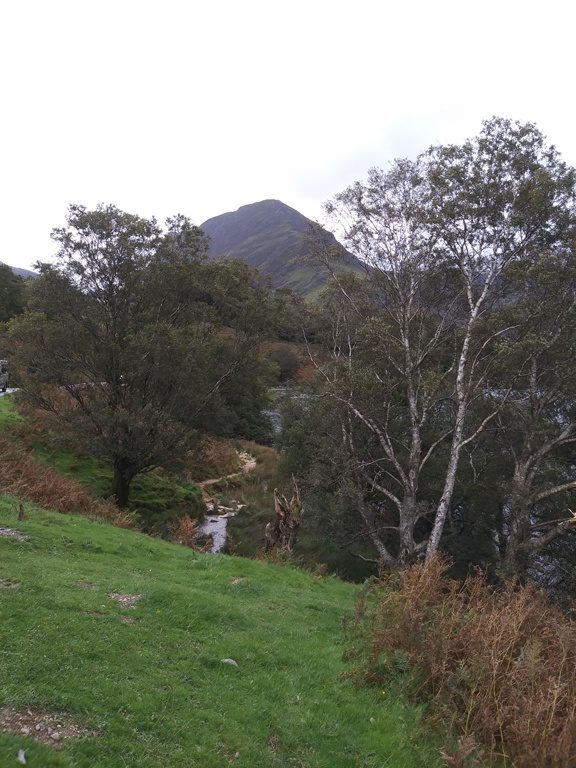
That’s where I counted sheep in daylight.
Lots of sheep on those rolling Cumbrian hillsides adorned in green-brown bracken, sometimes with the backdrop of a thin trickling waterfall making its way downhill to join a stream at the bottom.
The curious thing was that all these sheep seemed to be untended, either lying alone or standing in groups beside stone walls, with nary a shepherd in sight. Sheep without shepherd, I thought. What an odd Christmas pageant that would have made!
Over the three days of our tour meandering through the Lake District, only once did I see a shepherd-like character—a stout fellow with a sheep dog standing calmly by a stile as the tour bus rounded a corner close to him on the narrow, north-England road.
Immediately, I thought, Aha! Finally! There goes a shepherd.
Certainly, he fit into my neat narrative of sheep and shepherds.
Later, I learned that many of the sheep in the Lake District or so-called Cumbria area are Herdwick sheep, a species with characteristics that make them particularly good as sheep without much shepherding needed.
You see, one amazing thing about Herdwick sheep is that they have been bred for hundreds of years to be “territorial.” That means they instinctively stay put in one specific grazing area, not straying, and keeping that area naturally well-grazed so it’s not too bushy with scrubs, but not over-grazed either.
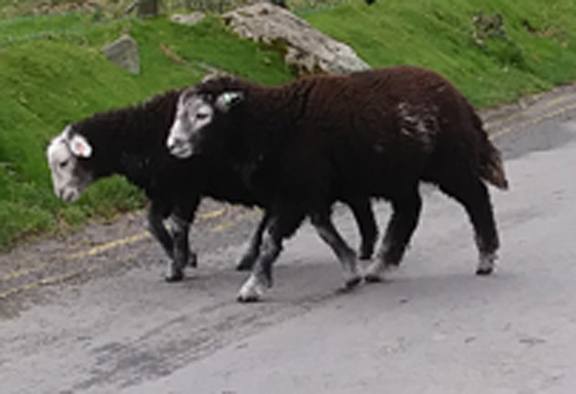
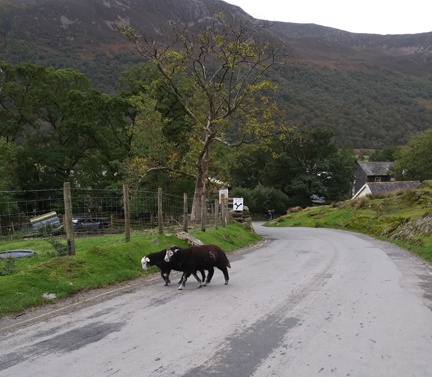
Environmentally friendly, one might say. But “heafed to the fell” is the term sheep farmers use to describe this turf-trained trait in the Herdwick sheep seen on the Cumbrian “fells” or hills.
Staying put, grazing only in their own territory, is a behavior that ewes teach to their lambs. It’s why the sheep do not need constant shepherding or gathering. In fact, they are generally only brought in once a year to lamb or to be sheared. Herdwick sheep are not prone to wander.
But I am.
The 18th century pastor and hymnodist, Robert Robinson, perfectly captures this tendency in his hymn, “Come Thou Fount of Every Blessing,” when he penned the words: “Prone to wander, Lord I feel it/Prone to leave the God I love…”
This Advent, as I re-read the familiar Christmas stories and view traditional pageants depicting scenes of the three wise, wandering Magi, the weary couple heading to Bethlehem on a donkey, the shepherds watching sheep in the dead of night, I want to think about being like a Herdwick sheep that is “heafed.” A sheep not so prone to wandering off, but staying grazing in the territory of the Divine.
What would that look like I wonder?

For starters, I’d be more regular with the disciplines of faith such as prayer and Scripture reading.
Maybe it means rising a little earlier to meet with the Good Shepherd, to really listen to His voice instead of rushing off to where all other voices quickly drown out the “still small voice.”
Oh, the cacophony of Christmas!
Don’t get me wrong. It’s not that I want to be a sheep without a shepherd. I do want to, need to, be shepherded. And I have a good, giving Shepherd.
I just want to learn to be a sheep that puts into practice what I’ve been taught, what I’ve known for years and years, Advent after Advent, that staying peacefully in whatever circumstances He has allotted for me, trusting that I'll be okay whether or not I can see the Shepherd, is the best Christmas pageant the whole year through.
Maybe this Advent I could use a lectio divina exercise, this ancient practice of reading aloud a passage of Scripture thrice—first, slowing down to identify a word or phrase that speaks to me; next, pausing to reflect on its application; and finally, resolving to take an action.
Maybe I could buy fewer gifts, and simply give gifts from the heart and hearth: a bowl of hot homemade soup, an invitation to tea and talk in the new year when winter seems to linger and one is in need of warmth from the company of another.
Maybe…
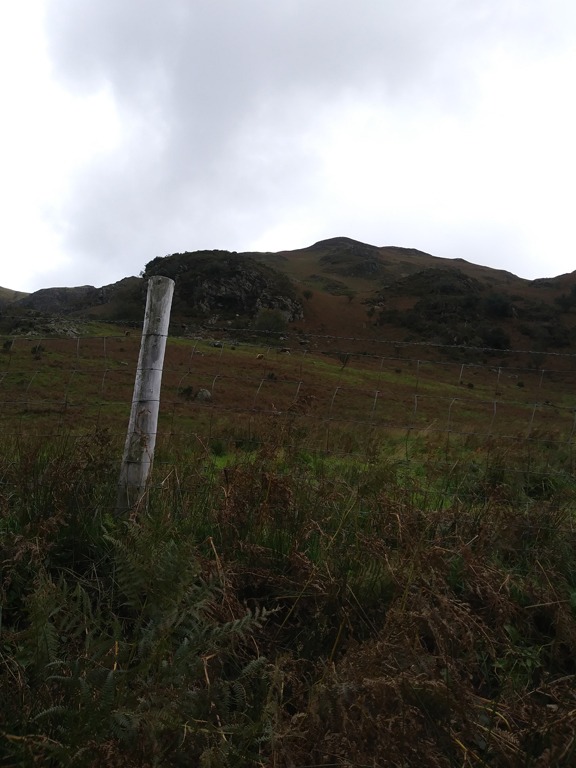
One thing I do know is that throughout this Advent I’ll be thinking of those sheep on the Cumbrian hillsides, “heafed to the fells” and staying true to the nature of their “sheepdom.” Sheep who don't need to have shepherds constantly prodding, gathering.
John Peters
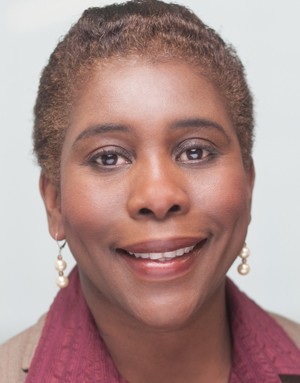
Vilma Blenman is a registered psychotherapist practising at LifeCare Centres. She recently retired as a teacher-counsellor with the Toronto District School Board. Vilma has pieces in A Second Cup of Hot Apple Cider, A Taste of Hot Apple Cider, and Hot Apple Cider with Cinnamon. In 2013, Vilma published First Flight, an eclectic collection of poetry. She also tied for first place in the Writers’ Community of Durham Region summer slam competition, performing her poem, “Fat Girl Feelings.” She co-edited S.I.S.T.A. Soul Food: Delightful Recipes & Recollections. Vilma lives with her family in Pickering, Ontario.